Ask ten drivers whether electric cars are the future and you will get ten different answers, most of them confident. The honest position sits somewhere in the middle. EVs have gone from curiosity to normal in about a decade, and the direction of travel is not really in doubt. Whether they end up being the only answer is a different question.
If you are learning to drive now, this matters practically. There is a decent chance your first or second car is electric, and there is a decent chance you learn in one.
The environmental case
An electric car has no tailpipe, which means no exhaust emissions where it is being driven. In towns and cities, where air quality affects a lot of people's health directly, that is a real and immediate improvement. It is a large part of why clean air zones and low emission zones treat EVs differently.
The fair caveat is that "zero emissions" applies to the car, not the whole picture. Building a battery is energy-intensive, and charging one is only as clean as the electricity going into it. The UK grid has decarbonised substantially, which helps a lot, but a lifetime comparison is more nuanced than a bumper sticker. Most independent studies still put EVs ahead of petrol and diesel over the life of the vehicle, and the gap widens as the grid gets cleaner.
The technology has moved fast
Competition in the EV market has pushed battery development, charging speeds and in-car software along much faster than the industry managed in the previous twenty years. Real-world ranges that were 100 miles are now routinely two or three times that, and rapid charging has gone from a novelty to something you can plan a journey around.
Electric cars also tend to be where driver assistance features appear first, from adaptive cruise control to lane keeping and parking assistance. Useful, though worth saying plainly for anyone learning: assistance systems are not a substitute for knowing how to drive, and you are still legally in charge of the car.
Charging is still the sticking point
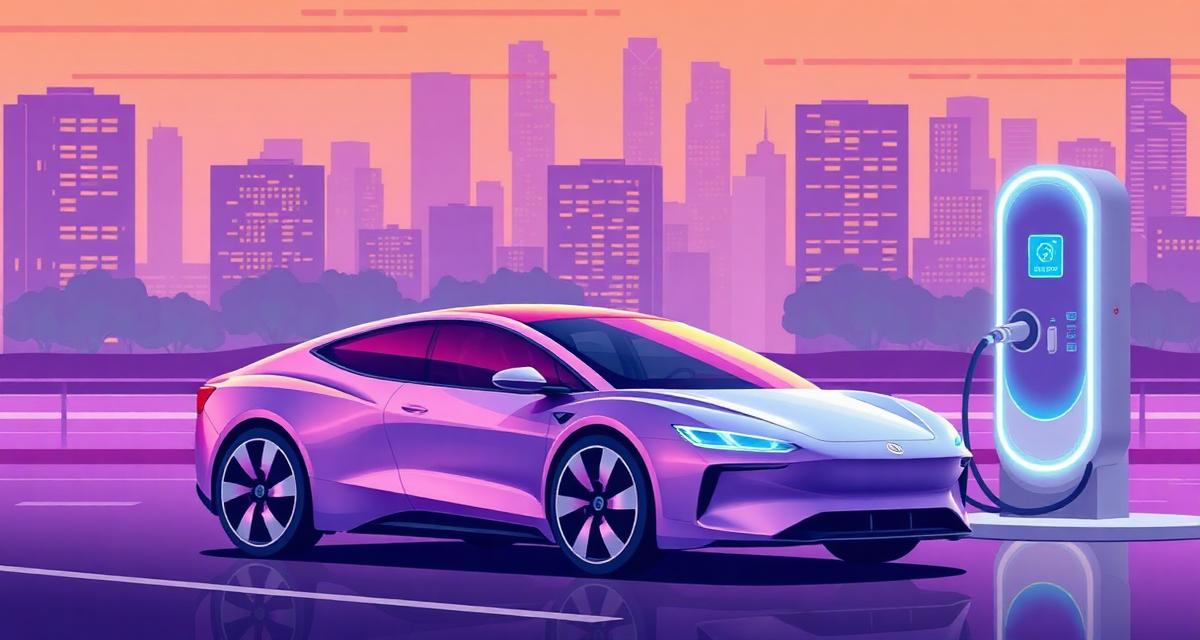
Charging infrastructure is the thing that decides how quickly this happens. If you have a driveway and can fit a home charger, running an EV is easy and cheap, and you rarely think about it. If you park on the street, it is a completely different experience, and public charging is both more expensive and less predictable.
The network has grown a lot, but it is uneven. Rural areas and older terraced housing are much less well served than motorway corridors and new developments. Until charging is genuinely as convenient as filling up, a chunk of drivers will reasonably stay put.
Range anxiety, and how much of it is real
Range anxiety is the fear of running out of charge before you find a charger, and it is the objection people raise most. For most day-to-day driving, the average UK car journey is well under 10 miles, so it is largely unfounded.
Where it becomes legitimate is long motorway journeys, cold weather, and towing, all of which cut range noticeably. A petrol car can be refilled anywhere in five minutes, and there is no getting around the fact that an EV needs a bit more planning. Whether that is a dealbreaker or a mild inconvenience depends entirely on how you actually use your car.
The cost picture
New electric cars still generally cost more to buy than the petrol equivalent, mostly because of the battery. Running costs go the other way: charging at home is far cheaper than fuel, servicing is simpler with fewer moving parts, and there are fewer things like clutches and exhausts to replace.
For new drivers there is a wrinkle. Insurance for EVs has been expensive, partly because repairs are specialised and battery damage can write off an otherwise sound car. It is worth getting quotes for both before deciding. The used EV market is also maturing quickly, which is where the value increasingly is, though you will want to check the battery's state of health on any older car.
It probably will not be electric only
Electric gets the headlines, but it is not the only route. Hybrids and plug-in hybrids remain a sensible compromise for people who do a lot of long-distance driving without reliable charging. Hydrogen fuel cells, which emit only water vapour, still look more promising for lorries and buses than for family cars, largely because of the refuelling network.
The likeliest outcome is a mix, sorted by use case rather than one technology winning outright: electric for most private cars and urban driving, hybrids filling gaps, and other fuels doing the heavy work.
So, are they the future?
For most private cars, yes, probably. The technology works, it is improving quickly, and the policy direction across Europe points the same way. But "the future" here looks less like a single switch-over date and more like a gradual shift shaped by charging access, cost and how people actually live.
If you are learning now, the practical takeaway is simple. Learn in a manual if you want the flexibility, since a manual licence covers both, though bear in mind an automatic-only licence is no barrier at all to driving an EV, as every electric car is automatic. Beyond that, the fundamentals of good driving, observation, planning ahead and courtesy, do not change whatever is under the bonnet.