Booking your practical driving test should be the straightforward part of learning to drive. In reality it is where a lot of learners come unstuck, either by booking too early, picking the wrong centre, or getting caught out by something they did not know they needed. Here is how the process actually works, and what to watch for at each stage.
1. Check you are eligible, and check you are ready
Two separate things. To be eligible you need a valid provisional licence and a theory test pass, and the theory certificate is only valid for two years. If it expires you have to sit it again, so keep an eye on the date.
Being ready is the harder judgement. You are there when you can drive a full lesson without prompts, you are not making serious or dangerous faults, and you are passing mock tests regularly rather than occasionally. Ask your instructor directly and take the answer seriously. Booking on optimism is the single most common reason learners end up waiting longer overall.
2. Pick the right test category
There are separate tests for cars, motorcycles, buses and lorries, and within those, further categories. Most people want the standard category B car test. Just be sure you are booking against the vehicle you actually intend to drive, particularly if you are looking at automatic-only, which restricts your licence to automatics.
3. Choose your test centre carefully
Location matters more than most learners realise, for two reasons.
The first is waiting time, which varies hugely between centres. Two centres 20 miles apart can be months apart on availability, so it is always worth checking a few.
The second is the roads themselves. Every centre has its own test routes, and they differ in difficulty: some are mostly quiet residential streets and roundabouts, others throw you straight into dual carriageways and busy one-way systems. Test somewhere you have had lessons if you can. Saving six weeks by driving unfamiliar city roads is usually a false economy. Pass rates by centre are published, and they tell you something, though local traffic and the mix of learners explain most of the difference.
4. Book it online
Book directly through the official DVSA service on gov.uk. Do not use a third-party booking site that charges a markup for the same slot.
You will need your provisional licence number, your theory test pass certificate number and a debit or credit card. Have all three to hand before you start, because the session times out. If you have an instructor, ask for their personal reference number too, which links the booking to them.
5. Choose your date and time
Once you are in, you will see available slots. A few things worth thinking about:
- Avoid rush hour and the school run if you can, unless you have practised in it.
- Very early slots are often quieter but can mean driving in the dark or on frosty roads in winter.
- Pick a time of day you have actually driven at. If all your lessons have been on weekday afternoons, a Saturday morning test is a different experience.
- Leave yourself enough lessons between booking and the date to keep sharp.
6. Declare any special requirements
If you have a health condition, a disability, dyslexia or you are a British Sign Language user, say so when booking. The DVSA can allow extra time, provide an interpreter or make other adjustments. It does not make the test easier and it does not go on your licence, so there is no reason to hold it back.
7. Pay and check the confirmation
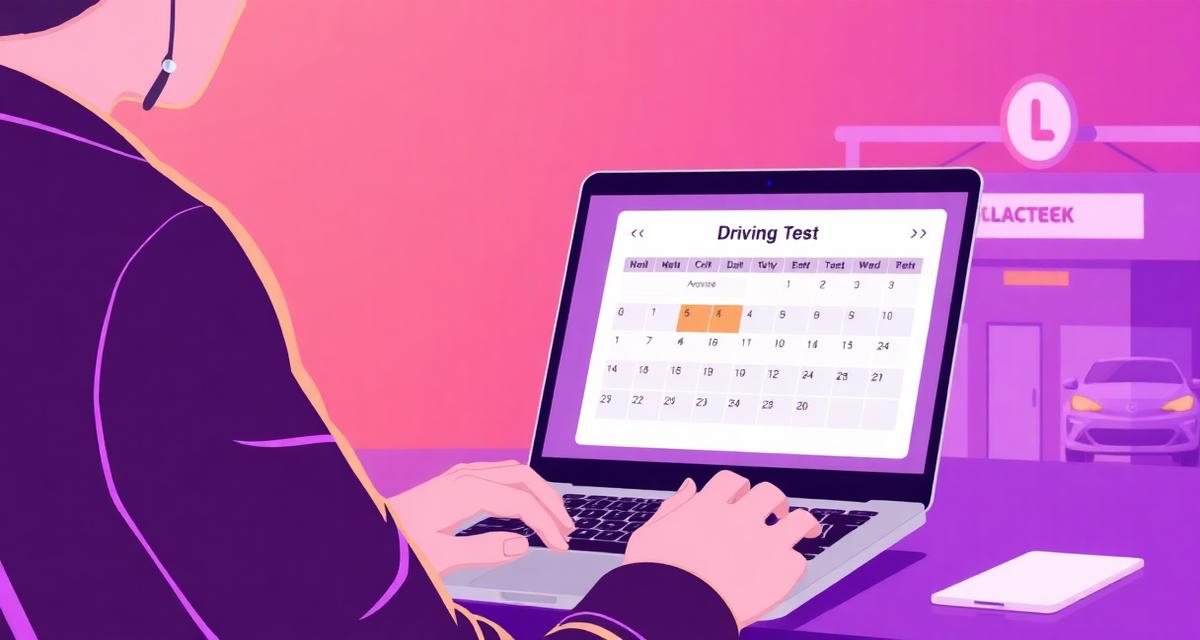
Once payment goes through you will get a confirmation email with your booking reference, the test centre address and the date and time. Read it properly. Check the centre is the one you meant, check the date, and put it in your calendar with a reminder. Also note the cancellation rules: change or cancel with at least three clear working days' notice and you keep your fee. Less than that and you lose it.
8. Use the time to prepare
Between booking and the test, work on the things you are weakest at rather than the things you enjoy. Manoeuvres, independent driving, following sat nav instructions, and the show me, tell me questions all reward a bit of focus. Mock tests with your instructor are the best predictor of how the real thing will go. If you have had a long break from lessons, book a refresher rather than turning up cold.
9. On the day
Arrive early, around ten minutes before, with your provisional licence. Have your car and glasses sorted if you use them. Your instructor can usually let you take a short drive beforehand to settle in, which helps more than you would expect.
During the test, remember the examiner wants you to pass and is not trying to catch you out. Listen to instructions, ask them to repeat anything you did not catch, and if you make a small mistake, carry on. Learners fail far more often from unravelling after one minor fault than from the fault itself. Going the wrong way is not a fault at all.
10. After the test
The examiner will tell you the result at the end and go through the feedback with you, with your instructor there if you want them. Pass, and you get a certificate and can drive straight away while your full licence is processed.
If it did not go your way, you are in good company. Take the feedback, get a couple of lessons on whatever came up, and book again. The frustrating part is usually the wait for the next date rather than the driving, which is where a driving test cancellation service earns its keep, watching for slots that open up so you are not stuck for months while everything is still fresh.
Get the booking right, prepare for the specific test you have booked, and give yourself the best chance on the day. Good luck.